5th February, 2026
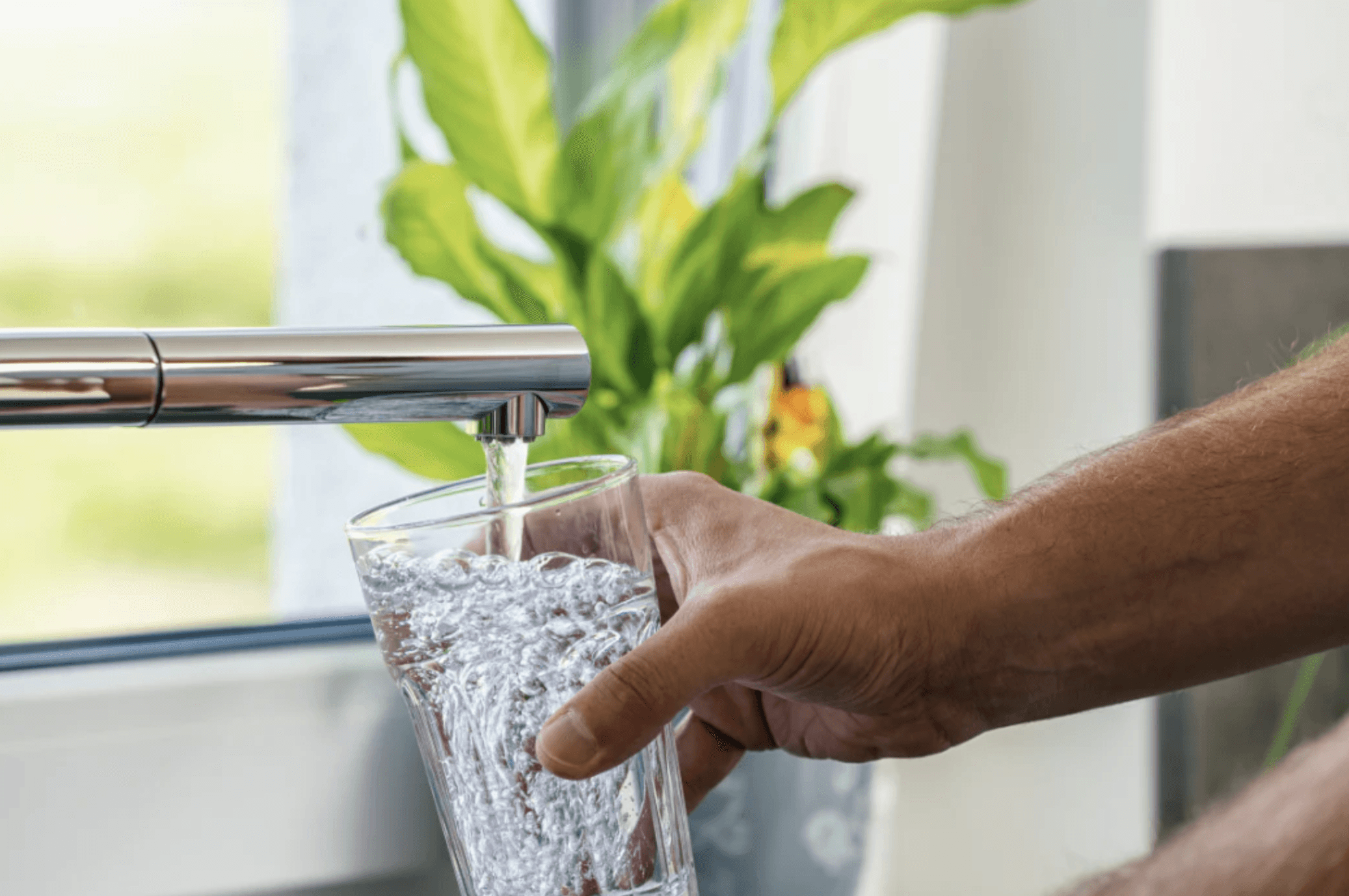
What’s Actually in Tap Water?
Tap water contains dissolved minerals such as calcium, magnesium, and silica. These minerals are harmless for everyday use, but they don’t evaporate when water dries.
When tap water is sprayed onto windows and left to air dry, the water disappears but the minerals stay behind. These deposits are what cause cloudy patches, white spots, and streaking on the glass.
The higher the mineral content in your water supply, the more noticeable this becomes. In many parts of Auckland and the North Shore, tap water hardness is enough to create visible residue over time.
How Mineral Buildup Develops on Glass
At first, mineral residue is thin and easy to miss. Each time tap water hits the window, another microscopic layer is added.
As layers build up, they:
Reduce clarity and shine
Make glass look dull even when clean
Attract more dirt and grime
Become harder to remove with standard cleaning
Sun exposure accelerates the process by effectively baking the minerals onto the surface. Once this happens, simple wiping no longer restores the glass properly.
Why DIY Window Cleaning Often Makes the Problem Worse
Many DIY methods rely on hose water, basic detergents, and air drying. While this may remove surface dirt, it often leaves mineral residue behind.
Common mistakes include:
Rinsing with tap water and letting windows dry naturally
Cleaning in direct sunlight, causing rapid evaporation
Using soap that leaves its own residue
Reusing dirty cloths or squeegees
Over time, these methods can actually contribute to cloudiness rather than improve it.
The Difference Purified Water Makes
Professional window cleaners use purified water systems that remove minerals before the water ever touches the glass. This water dries completely clean because there’s nothing left behind once it evaporates.
With purified water:
No spotting or streaking is left behind
Frames and sills can be safely cleaned at the same time
Windows stay cleaner for longer
Mineral buildup is prevented rather than masked
This is why professionally cleaned windows often look brighter and stay that way longer than DIY results.
When Tap Water Damage Becomes Permanent
If mineral buildup is left untreated for long periods, it can etch into the glass itself. At that stage, the damage isn’t just residue on the surface.
Etched glass:
Appears permanently cloudy
Feels rough to the touch
Does not improve with regular cleaning
Preventing this type of damage is far easier and cheaper than trying to restore glass after the fact.
How Homeowners Can Reduce Tap Water Damage
There are a few practical steps homeowners can take:
Avoid spraying windows directly with sprinklers
Rinse windows with purified or filtered water when possible
Dry glass immediately after cleaning
Schedule regular professional window cleaning
Consistency matters more than intensity. Regular, correct cleaning prevents buildup before it becomes a problem.
The Bottom Line
Tap water isn’t harmful in itself, but the minerals it carries can quietly damage your windows over time. What starts as faint spotting can eventually lead to dull, etched glass that never looks truly clean.
Understanding the cause helps you make better choices about how your windows are cleaned and maintained. Clear windows aren’t just about effort, they’re about using the right water and the right method from the start.
If your windows never seem to stay clean for long, the issue may not be how often you clean them, but what you’re cleaning them with.